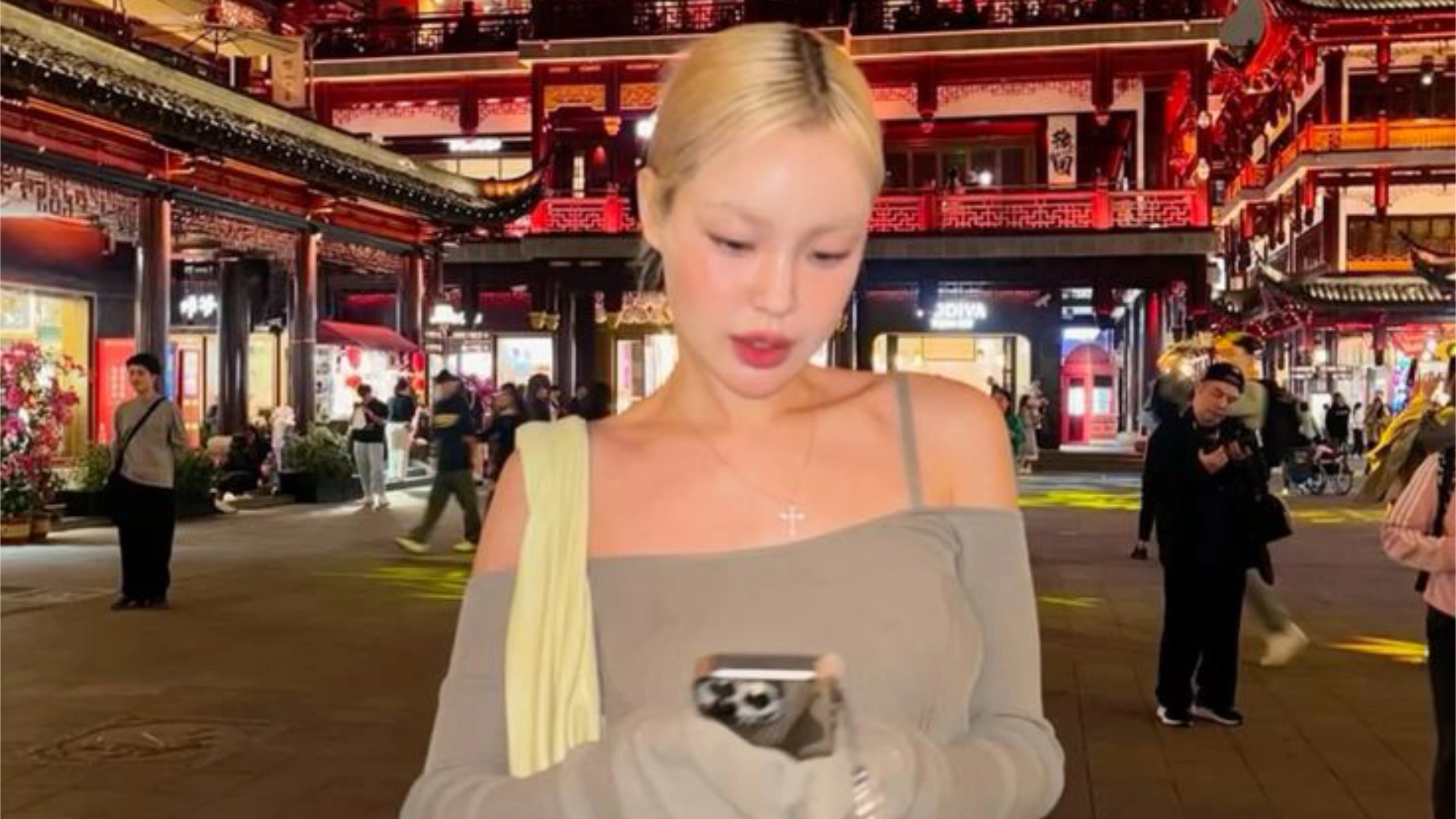
A lot of bad dates have one thing in common, and anyone who has spent time around Chinese dating culture will recognize how easily an evening can become more about impressing someone than actually getting to know them. The restaurant is expensive, the outfit is careful, the schedule is tight, and the whole evening can start to feel like a test. Impressive, maybe. Relaxed, not really.
That is part of why City Walk China has caught on as a dating format. It asks a simpler question: not “How polished can this date look?” but “What are we like together when nothing much is forcing the mood?” Walking, noticing, pausing, and talking a little more than planned can reveal chemistry faster than a highly produced night out.
Why is Chéngshì mànbù suddenly romantic?
Chéngshì mànbù (城市漫步) sounds understated because it is. Usually it just means wandering through a neighborhood without trying to maximize every minute. You notice storefronts, side streets, old walls, plane trees, river paths, snack windows, and the way the light shifts over an ordinary afternoon. In daily life, that is just urban leisure. On a date, it changes the atmosphere. Some of the performance drops away.
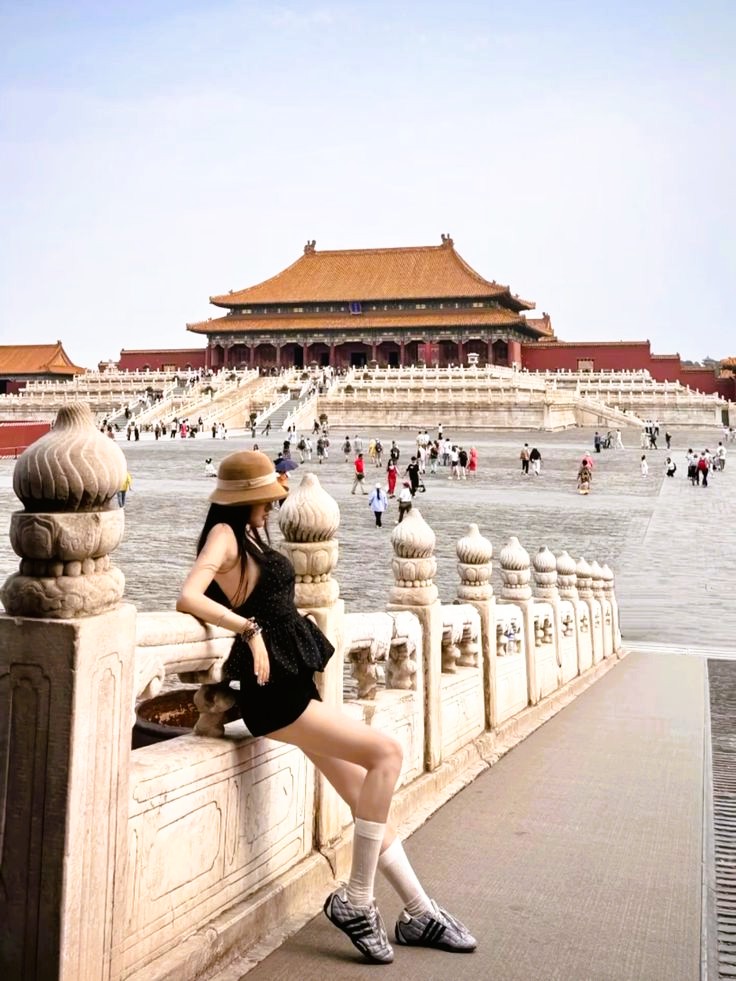
Modern dating often involves too much signaling too early. People signal taste, income, confidence, social ease, and ambition before they have figured out whether conversation feels natural. A walk date breaks that pattern a bit. There is less room to impress with spending and more need to be present. And presence is much harder to fake than style.
It also fits the mood inside modern Chinese dating culture. Many younger daters are tired of evenings that feel like interviews with cocktails. In that context, the move away from luxury-first dating is easy to understand. It does not mean people suddenly hate nice places. It means expensive settings can create too much static. Walking strips things back to pacing, curiosity, and whether someone feels steady to be around.
So City Walk China is not only a trend aesthetic. It works as a filter too.
How do you plan a Shanghai City Walk date?
Planning a walk date in Shanghai is less about finding the most famous route and more about getting the rhythm right. The easiest mistake is overplanning. Once it becomes a three-hour route with too many stops and a full itinerary, the date starts feeling managed instead of natural.
A better plan is loose but intentional. Pick an easy meeting point, walk through an area with enough visual texture to keep things moving, and leave room for one small stop: coffee, tea, or maybe a street snack. Wukang Road works well for that because the neighborhood gives you plenty to react to without forcing it. You can comment on the buildings, drift into side lanes, people-watch for a minute, or sit down if the conversation wants to slow down.
- Pick a route that takes 60 to 90 minutes at a normal pace.
- Choose a start point near a metro exit so nobody arrives stressed.
- Have one backup indoor stop in case of weather or awkward energy.
- Avoid loud commercial zones where walking turns into crowd management.
If you are trying to understand dating in China for Gen Z, this matters more than many outsiders assume. The logistics themselves communicate care. People reading broad overviews on how to meet Chinese women often miss this more local layer. A well-chosen route quietly says, “I thought about your comfort,” not, “I designed a performance”.
What makes a walk date feel intimate?
What makes a walk date intimate is not constant eye contact or unusually deep questions. It is the side-by-side feeling. When two people are looking at the same street, the same shop window, or the same passing scene, conversation usually loosens up. It tends to feel less like proving yourself and more like sharing attention.
That format lowers social friction. Silence does not feel as heavy because the city is doing some of the work. You can stop at a bookstore window, notice a cat sleeping on a scooter seat, look up at laundry over an alley, or watch the crowd outside a noodle shop. Those moments are not empty filler. They show taste, patience, humor, and how someone responds to ordinary life when nothing glamorous is happening.
There is a practical emotional effect too. People often open up more easily while moving. Not because walking is magical, but because it keeps the conversation from hardening into an interview. Questions land more gently. Answers do not have to come out perfectly. Nobody is trapped into delivering a polished summary of their life across a table.
That is also why early evening works so well. A city walk can feel close and private enough without becoming heavy or overly formal. The streets are still active, but there is enough space to hear each other think. In Chinese dating, where topics like career, family expectations, and long-term plans can arrive early, that slower setup gives serious subjects room without making the date feel like a negotiation.
Which first-date routes spark real conversation?
The best first-date routes are not necessarily the rarest or most expensive ones. What matters more is contrast. A route with old and new buildings, quiet stretches and busier corners, a few places to pause, and enough visual detail tends to keep conversation from going flat.
In Beijing, the Dongcheng Hutongs are strong for exactly that reason. The setting creates natural topic shifts, so it is easy to move from history to daily routine to family life without sounding scripted. In Shanghai, the lanes around Wukang Road and the Former French Concession make walking easy while still giving both people exit points if the date needs to end sooner than expected. Waterfront walks can be beautiful, especially in the evening, but some of them are too exposed and too repetitive for a first meeting. Good view, not always enough texture.
| Route | What it does well | Watch out for |
|---|---|---|
| Wukang Road and nearby lanes | Architecture, cafés, easy detours, low-pressure pacing | Can get crowded on weekends and lose privacy |
| Dongcheng Hutongs | Historic texture, lots to notice, strong conversation prompts | Too much “tour guide energy” if one person lectures |
| Riverside or Bund-adjacent walks | Scenic, simple, good for evening atmosphere | Less intimate if the route is mostly just posing for photos |
The phrase: “best City Walk routes for a first date” sounds like a search query because it is one. But in practice, the right route has less to do with prestige than with whether it gives both people room to react, wander, and leave without awkward logistics.
Why do flashy dates backfire now?
Flashy dates often backfire because they answer the wrong question first. They prove, “I can arrange a good setting,” before they answer, “Can we actually enjoy being around each other?” Those are very different things.
Part of the shift is practical. A lot of young people in major Chinese cities are dealing with high rent, long work hours, and the background exhaustion of constant comparison. In that setting, a high-cost date can feel less generous than strategic. It may signal status, but it can also signal control, compensation, or an attempt to rush intimacy. None of that creates ease.
You can also see a post-materialist streak in Chinese dating trends 2026 discussions. People are not turning against ambition. They are pushing back against obvious display being treated as proof of sincerity. In that sense, this shift is really about credibility. If someone says they want something real while every plan is built around image, the mismatch is obvious.
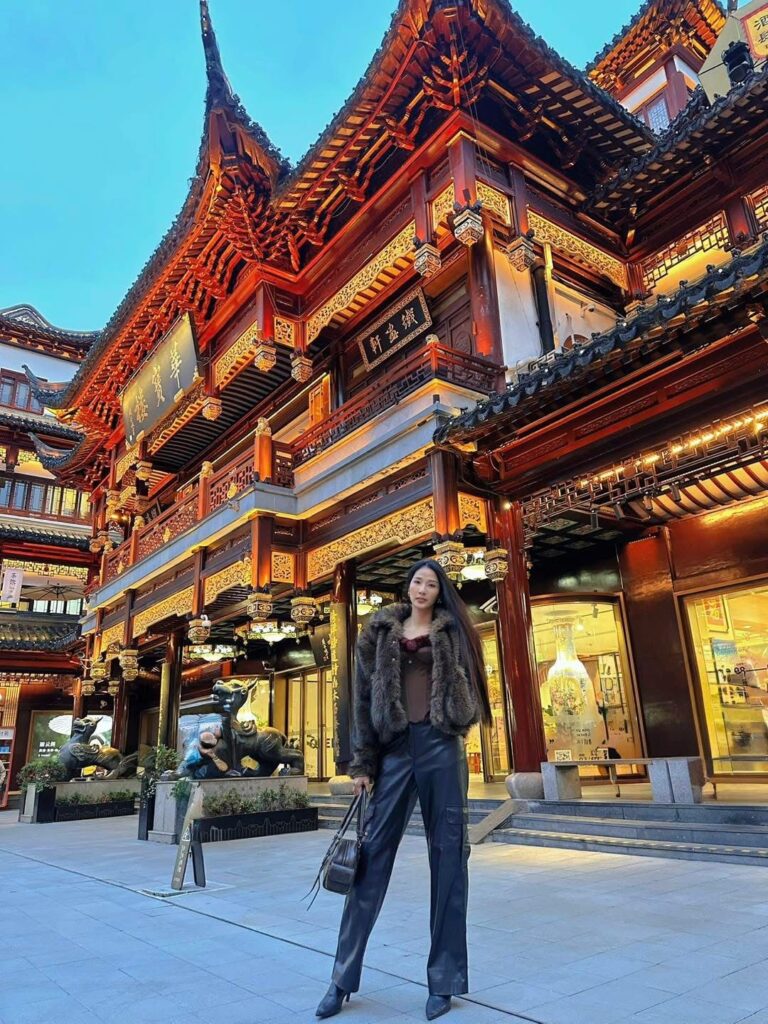
For women especially, a simple date can feel both safer and more informative. You get to see whether the other person is attentive without expense doing the heavy lifting. You notice if they get impatient over small inconveniences, bored without stimulation, or strangely transactional over minor costs. Those are useful signals. A walk date does not guarantee honesty, but it does make certain kinds of dishonesty harder to maintain for long.
Can slow dating lower pressure in China?
Yes, but only if people treat it honestly. The slow dating movement is sometimes described in a way that makes it sound like vagueness with better branding: endlessly casual, indefinite, emotionally unavailable, but presented as intentional. That is not really slow dating. That is just delay.
Real slow dating lowers pressure by changing the sequence. Instead of forcing instant certainty, it lets attraction, comfort, and practical compatibility show up over a few lower-stakes meetings. In a context where dating pressure vs. slow living in China is a real tension, that matters. Many people are balancing parental expectations, work schedules, city costs, and a wider feeling that relationships should progress efficiently. Efficiency is useful for train timetables. In romance, it can distort things quickly.
A city walk date helps reset some of that pressure because there is less to win. If the conversation flows, keep going. If it falls flat, finish the route politely and head out. Nobody is trapped by a long meal or an expensive reservation.
Still, slower should not mean murkier. If you like someone, say so. If you do not, do not hide behind vague lifestyle language. A walk date works best when the pace is relaxed but the communication stays clear.
How does Xiaohongshu shape Chinese dating trends?
Xiaohongshu has helped turn city walking from an everyday urban habit into a recognizable dating script. On the Red app, people share route maps, outfit ideas, café stops, film-like evening photos, and short notes about dates that felt more genuine than expected. The aesthetic side matters. Streetlights, leafy sidewalks, old facades, convenience store drinks, and slightly grainy photos all fit the mood.
But the platform is doing more than packaging the look. It gives users a way to compare notes on what a good date is supposed to feel like now. That is why Red app viral posts matter here. They do not simply display a trend. They help normalize a lower-cost, lower-performance format that many people were already ready for.
Of course, there is a downside once a dating style becomes content. People start copying the surface. Then you get walk dates planned around photos instead of conversation. A route with perfect “main character” lighting is still a bad date if one person spends the whole time curating it for social media.
That is the odd role of Xiaohongshu dating trends. They can support a more authentic Chinese dating experience, and they can flatten that same experience into another visual template. Usually the difference is intention. Are you sharing a date, or staging one for the feed?
What happens after a great walk date?
A great walk date creates a surprisingly common problem. Because it felt easy and unforced, people sometimes act as if it barely counted. Then they wait too long to follow up, send a generic message, or overcorrect by planning a second date that feels much louder and more artificial. That is where momentum gets lost.
The next step should match the first date’s tone. If the walk gave you easy conversation and real comfort, follow up with something specific. Mention the bookshop you passed, the snack they liked, or the strange little lane you both laughed about. Specificity matters. It shows that you were paying attention and that the date was not just another blurred entry in a busy week.
The second date does not need to be another long walk, but it should keep the same honesty. A museum, market, tea house, or simple dinner can work well. The important thing is continuity. Do not jump from quiet neighborhood wandering to a luxury rooftop just because you think romance has to escalate visually.
If cross-cultural dating is part of the picture, that clarity matters even more. General communication advice can still be useful, including resources on tips for successful Chinese mail order wives dating, but real local dating is usually much more ordinary than those labels make it sound. After a good walk, the next move is simple: follow up clearly, suggest something concrete, and do not pretend to feel less than you do.
A city walk cannot fix bad timing, incompatible values, or weak attraction. What it can do is remove some of the noise. For people tired of dating that feels overpriced, overperformed, or oddly rushed, that matters. The point is not that every romance should begin on Wukang Road or in the Dongcheng Hutongs. It is that a slower date often tells the truth faster.